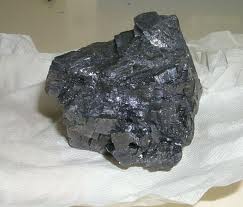
Toxicity

Know a days, we don't realize the harmeful effects of pollution on living organisms. From us to animals we all get harms in different. LD50, which stands for lethal dose 50, is a material that is given in a particular dose that kills half of the population in which its applied to. To measure how toxic a substance is we use LD50. Toxicity is the degree to which a substance or chemical can harm living organisms or humans. It's very complex with many influencing factors, but dosage is the most important of them all. Some chemicals are toxic themselves, while others chemically change before they become toxic. Toxicity can either affect a specific organ or any tissue or cell it comes in contact with. There are 2 kinds of toxicity:

 1. Acute Toxicity:

Acute toxicity occurs almost immediately (hours/days) after an exposure. An acute exposure is usually a single dose or a series of doses received within a 24 hour period. Death is a major concern in cases of acute exposures. Examples are:

  • Death after inhaling CO gas.

One of the most known chemical that has acute toxicity is Methyl Isocyanate 


 2. Chronic Toxicity:

Chronic toxicity represents cumulative damage to specific organ systems and takes many months or years to become a recognizable clinical disease. With repeated exposures or long-term continual exposure, the damage from these subclinical exposures slowly builds-up until the damage exceeds the point for chronic toxicity. Ultimately, the damage becomes so severe that the organ can no longer function normally and a variety of chronic toxic effects may result.Examples are:

  • cirrhosis in alcoholics
  • chronic bronchitis in long-term cigarette smokers


One of the most known chemical that has chronic toxicity is Lead.


This free website was made using Yola.

No HTML skills required. Build your website in minutes.

Go to www.yola.com and sign up today!

Make a free website with Yola